In today’s fast-moving, constantly connected world, stress and anxiety are more common than ever. Adults juggle work pressures, family responsibilities, and an endless stream of digital distractions, often leaving little time or space to relax. Finding simple, effective ways to ease tension and calm the mind is essential, and surprisingly, an ancient art like origami offers just that.
Origami, the Japanese practice of folding paper into beautiful shapes, is more than a craft or hobby. It’s a powerful mindfulness tool that helps reduce stress, focus attention, and foster emotional well-being. This article explores how origami can be an effective way for adults to manage anxiety, backed by research, and provides practical steps to begin your folding journey.
What Exactly Is Origami?
Origami is derived from two Japanese words: oru meaning “to fold,” and kami meaning “paper.” It is the art of folding flat sheets of paper into three-dimensional figures—everything from simple boats and cranes to intricate flowers and geometric shapes—without cutting, gluing, or drawing.
Though its roots trace back centuries, origami has seen a resurgence globally due to its accessibility and therapeutic benefits. For adults, origami offers a hands-on, low-tech way to unplug from screens and reconnect with a tactile, focused activity that engages both body and mind.
Why Origami Naturally Relieves Stress and Anxiety
1. Encourages Mindfulness and Present Moment Focus
One of the core challenges of anxiety is the mind’s tendency to worry about the future or dwell on past troubles. Origami’s step-by-step folding process demands your full attention. Each fold requires concentration, precision, and patience.
This focus anchors your awareness in the here and now, a practice known as mindfulness. Studies have shown mindfulness reduces the stress hormone cortisol, calms racing thoughts, and helps regulate emotions. Folding paper becomes a form of moving meditation where your worries temporarily fade as you immerse yourself in the moment.
2. Stimulates Both Hands and Brain
Origami engages fine motor skills and spatial reasoning simultaneously. This active hand-brain connection helps interrupt negative thought loops by drawing your attention to a creative, physical task.
Occupational therapists often use hands-on crafts like origami to calm the nervous system and ground anxious individuals. The repetitive, tactile nature of folding paper provides sensory input that encourages relaxation.
3. Builds a Sense of Achievement and Self-Worth
Completing even a simple origami figure provides a clear, visible result of your effort. This sense of accomplishment triggers the brain’s reward system, releasing dopamine—the “feel-good” neurotransmitter.
When anxiety leaves you feeling overwhelmed or helpless, folding paper and creating something beautiful can restore confidence and boost mood.
4. Naturally Encourages Slow, Deep Breathing
Origami is an inherently slow, deliberate process. As you fold carefully and methodically, your breathing tends to deepen and become more rhythmic without conscious effort.
Slow, deep breaths activate the parasympathetic nervous system—the body’s relaxation response—lowering heart rate and reducing physical symptoms of anxiety like muscle tension and rapid heartbeat.
What the Research Says About Origami and Stress Reduction
The therapeutic benefits of origami are increasingly backed by scientific studies:
- A 2017 study in the Journal of Occupational Therapy found that participants who practiced origami experienced significantly reduced anxiety levels and improved concentration.
- Origami has been successfully integrated into art therapy for patients with PTSD, anxiety disorders, and depression. It helps patients regain control over their mental state through structured creativity.
- The repetitive folding motions mirror certain meditative practices that have been shown to reduce blood pressure, lower cortisol, and improve overall emotional regulation.
These studies suggest origami is more than an artistic hobby—it’s a mind-body intervention that supports mental wellness.
How to Use Origami as a Tool to Manage Stress
- Find Your Quiet Spot
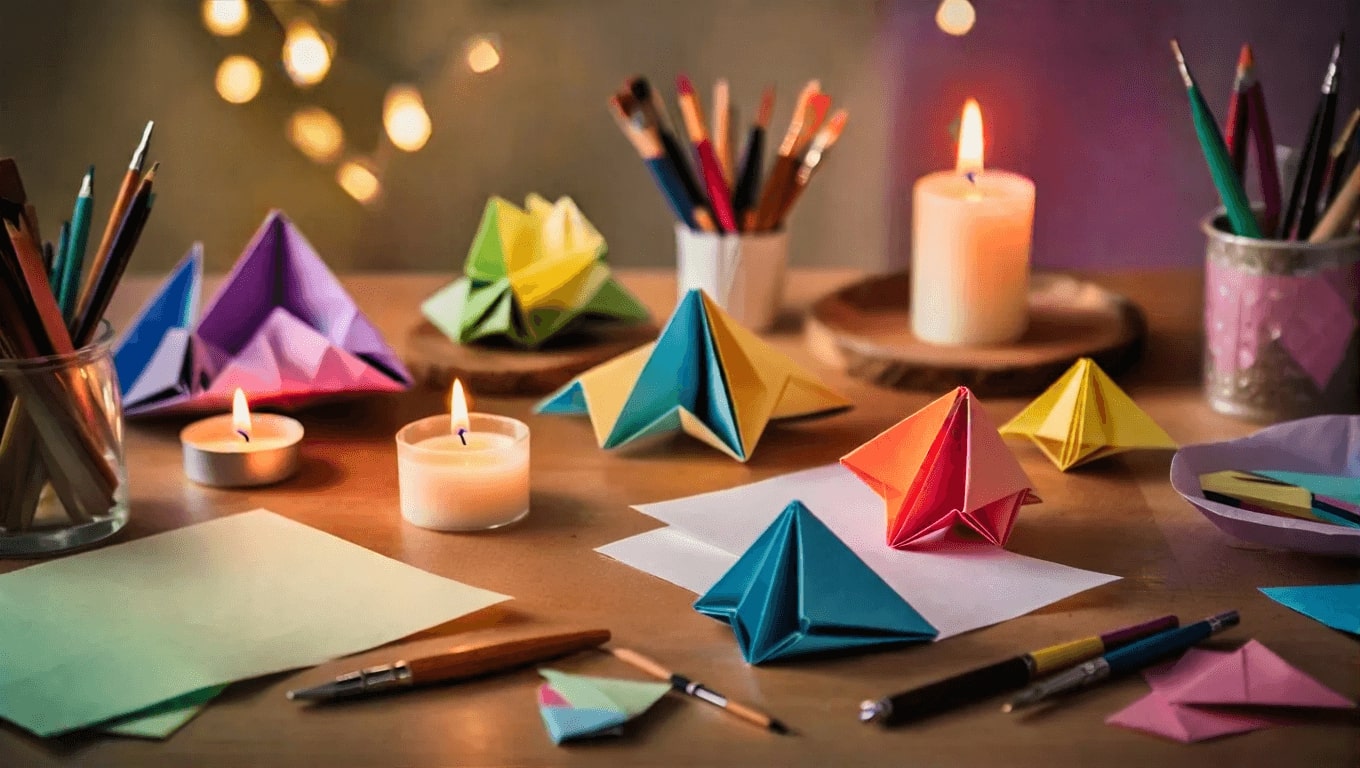
Choose a calm, comfortable, and uncluttered environment. Even a small corner of your home can become a peaceful folding nook where interruptions are minimal. - Start with Simple Models
Avoid frustration by beginning with easy designs such as cranes, boats, or hearts. These teach foundational folds and build confidence before moving on to more complex patterns. - Embrace the Process, Not Perfection
Focus on the act of folding rather than a flawless final product. The true benefit lies in engaging your attention and slowing down, not in achieving museum-quality origami. - Breathe Mindfully
Try to sync your breath with each fold. Deep, slow inhalations and exhalations will enhance relaxation and help calm your nervous system. - Practice Regularly
Incorporate origami into your daily or weekly routine. Consistent practice strengthens mindfulness and builds a reliable stress-relief habit.
Additional Mental Health Benefits of Origami
- Cultivates Patience and Persistence: Complex models require repeated practice, which helps develop resilience and tolerance for frustration.
- Enhances Fine Motor Skills: Origami improves hand-eye coordination, beneficial for adults recovering from injuries or dealing with neurological challenges.
- Stimulates Creativity and Cognitive Flexibility: Experimenting with new designs fosters problem-solving and innovative thinking.
- Promotes Social Interaction: Joining origami groups or online communities can reduce isolation, providing social support and shared enjoyment.
Recommended Origami Projects for Reducing Anxiety
- Origami Crane: A classic symbol of peace and hope, folding cranes is meditative and rewarding.
- Paper Boat: Simple and nostalgic, perfect for quick stress relief.
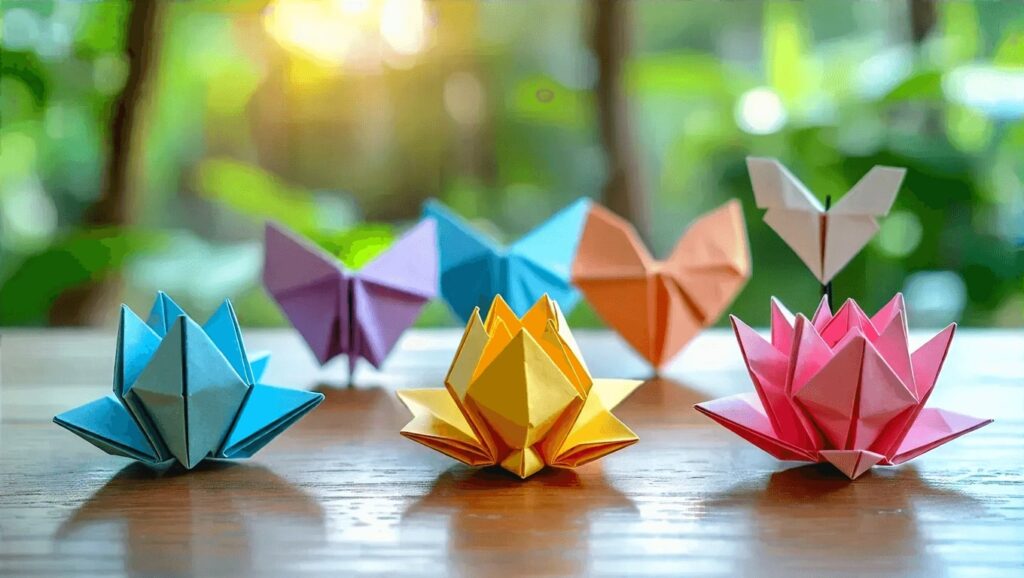
- Lotus Flower: Its gentle, layered folds encourage slow, mindful movement.
- Modular Stars: Combining multiple units can be a rhythmic, soothing task.
- Bookmarks or Gift Boxes: Practical projects add purpose and satisfaction, especially when given as thoughtful gifts.
Final Thoughts: Fold Your Way to a Calmer Mind
Stress and anxiety don’t have to control your life. Origami offers a gentle, accessible way to regain calm and reconnect with your body and mind. With just a sheet of paper and a little time, you can cultivate mindfulness, boost creativity, and reduce tension—one fold at a time.
Whether you fold for 10 minutes or an hour, origami invites you to slow down, breathe deeply, and find peace in simplicity.