In today’s fast-paced world, maintaining focus and concentration is a challenge that many of us face daily. With endless notifications, multitasking demands, and constant digital distractions, the ability to direct your attention to a single task is more important—and harder to achieve—than ever before. Whether you are working remotely, studying for exams, or simply trying to be more present in your daily life, finding effective ways to train your brain is crucial.
One surprisingly enjoyable and practical method to boost your focus is the ancient art of origami. This traditional Japanese craft of folding paper into intricate shapes offers more than just creative satisfaction—it provides a mindful, hands-on experience that encourages deep concentration and mental clarity.
In this post, we will explore why origami is an excellent tool for improving focus and concentration, the scientific reasoning behind it, and practical advice on how to integrate origami into your routine for maximum benefit.
Why Origami Is Perfect for Enhancing Focus
Origami demands a combination of patience, precision, and mindful attention. These qualities make it a natural exercise for developing and strengthening focus. Here’s how:
Engages the Brain and Body Simultaneously
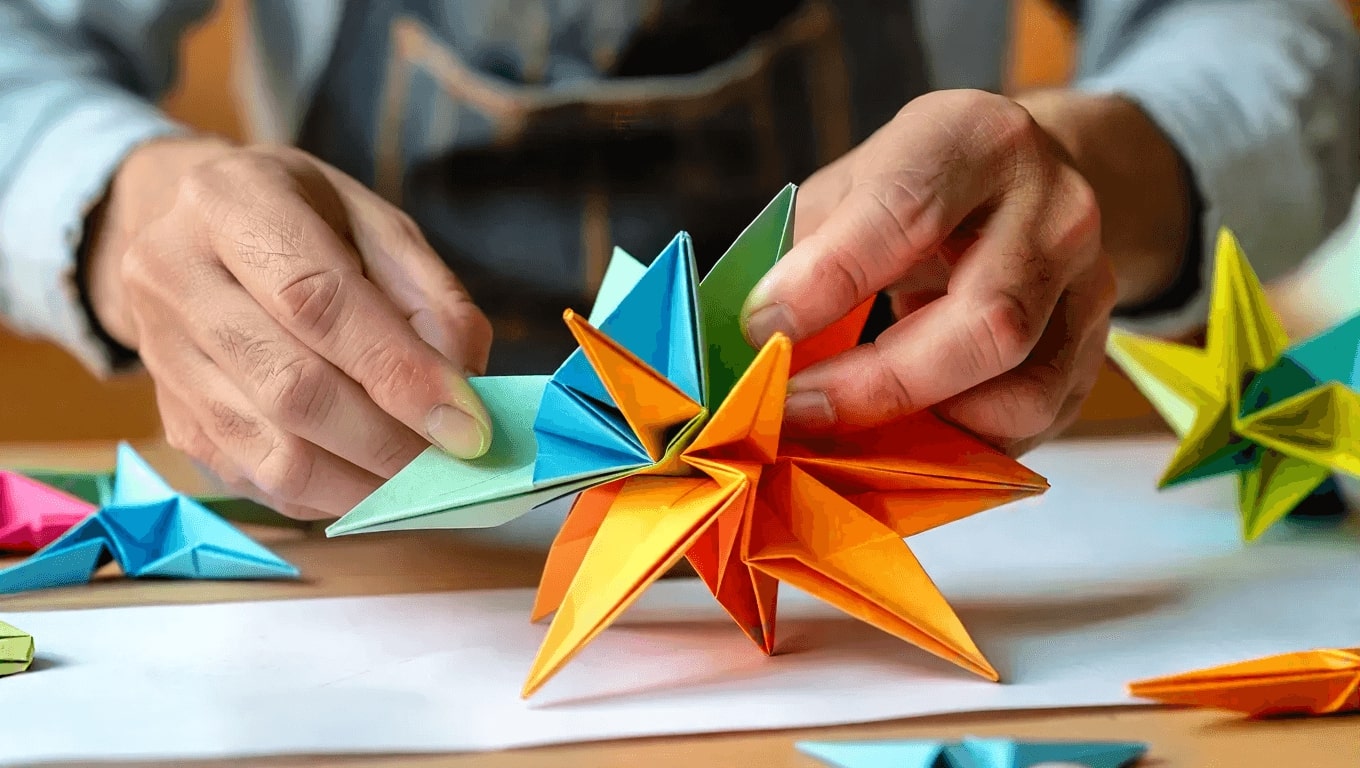
Origami requires coordination between your visual perception, hand movements, and cognitive planning. This multisensory engagement anchors your attention in the present moment, minimizing wandering thoughts. Folding each crease accurately and watching the paper transform keeps your mind actively involved.
Promotes Step-by-Step Sequential Thinking
Origami patterns follow a clear sequence of steps that must be completed in order. This teaches the brain to process information methodically and boosts executive function skills. As you become accustomed to following and remembering these sequences, your ability to concentrate on other structured tasks can improve.
Immediate Feedback Keeps You Grounded
With origami, you see the immediate effect of every fold. This direct cause-and-effect relationship helps maintain your mental focus. If you make a mistake, you can quickly identify and correct it, which reinforces learning and sustained attention.
Acts as a Form of Meditative Repetition
The repetitive and rhythmic movements involved in folding paper have a calming, meditative effect. Much like breathing exercises or rhythmic tapping, origami helps quiet mental clutter, allowing your brain to reset and sharpen focus.
The Science Supporting Origami’s Cognitive Benefits
Several studies and therapeutic practices highlight origami’s positive impact on mental function:
Research shows that activities involving fine motor skills and hand-eye coordination stimulate brain areas responsible for attention and executive control.
Occupational therapists use origami to help individuals with attention deficit disorders improve their concentration and task persistence.
The focused, mindful nature of origami can reduce stress hormones, such as cortisol, that interfere with the ability to concentrate.
Engaging in arts and crafts has been linked to increased neural plasticity, which supports better cognitive flexibility and memory.
These scientific findings validate what many origami practitioners intuitively know: folding paper is not just art, it is brain training.
How to Integrate Origami into Your Focus-Boosting Routine
To harness origami’s power in improving concentration, follow these practical tips:
Create a Calm, Distraction-Free Space
Choose a quiet, comfortable area where you can fold without interruptions. Silence your phone or use apps that block notifications during your practice sessions. A clutter-free environment helps your mind settle.
Start with Simple Models
If you are new to origami, begin with basic designs that require focus but are not overwhelming. Simple cranes, boats, or hearts are excellent starting points. As your focus improves, gradually explore more complex projects.
Practice Mindful Folding
Be fully present with the paper in your hands. Pay attention to the texture, the sharpness of each crease, and the precision of every fold. Combine this with deep, steady breathing to enhance mindfulness and concentration.
Set Achievable Goals
Challenge yourself to complete one origami piece per day or master a new folding technique weekly. Keeping track of your progress motivates consistency and sharpens your attention over time.
Use Origami as Short Mental Breaks
Incorporate brief origami sessions during work or study breaks. Even five to ten minutes of folding can refresh your brain and help you return to your tasks with renewed clarity and focus.
Origami Projects That Help Build Focus
Certain origami models are particularly well-suited to train your concentration skills because of their complexity or repetitive nature:
Origami Crane: This classic project involves multiple folds and encourages step-by-step focus, making it perfect for beginners and intermediate folders alike.
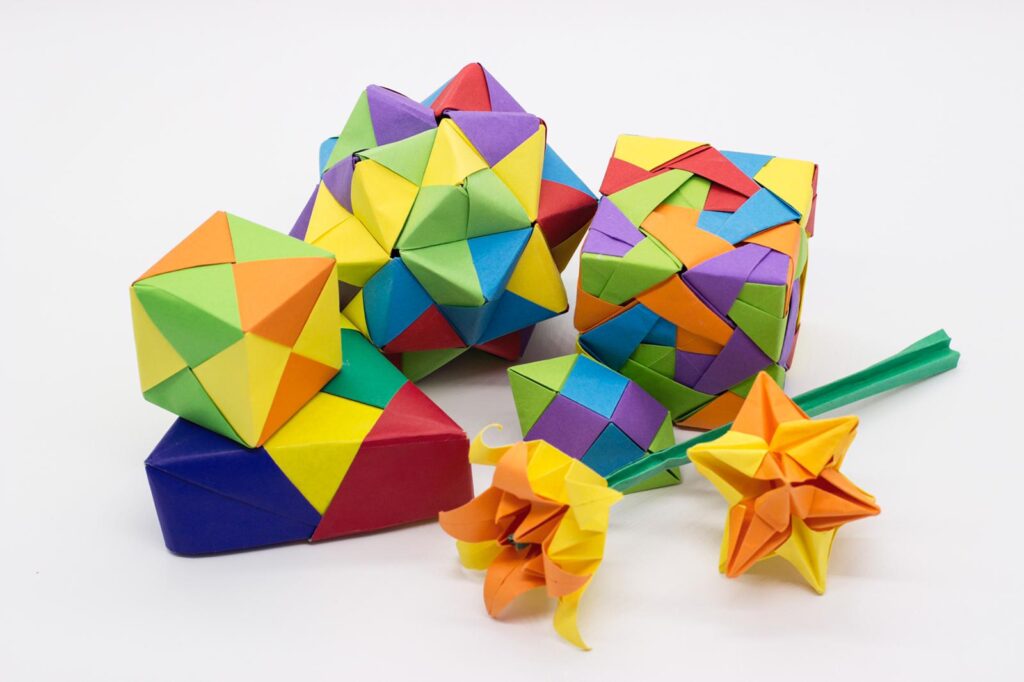
Modular Stars: Composed of many units folded separately and assembled together, this model promotes patience and sustained attention.
Lotus Flower: Requires careful, delicate folding that trains fine motor skills and precision.
Paper Box (Masu Box): Combines simple folds into a three-dimensional form, helping improve spatial awareness and coordination.
Dragon: A more advanced model with intricate folds, suitable for experienced folders who want to push their concentration limits.
Additional Mental and Emotional Benefits of Origami
While enhancing focus, origami also offers other mental health benefits:
Stress Reduction: The calming, meditative nature of folding lowers anxiety levels and promotes relaxation.
Creativity Boost: Experimenting with paper shapes stimulates creative thinking and problem-solving.
Improved Dexterity: Regular folding enhances hand-eye coordination and fine motor skills.
Patience and Perseverance: Tackling complex designs builds resilience and a sense of achievement.
These benefits collectively contribute to better overall cognitive function and emotional well-being.
Final Thoughts: Embrace Origami as a Tool for Focus
Improving your focus and concentration does not have to be tedious or dull. Origami presents a unique, enjoyable way to train your brain while creating beautiful, tangible art. Its combination of mindful attention, step-by-step progression, and sensory engagement makes it an effective tool for boosting mental clarity.
Start with a simple piece of paper, choose a project that interests you, and begin folding. Over time, you may find that your ability to concentrate on work, study, or daily tasks improves, along with your sense of calm and creativity.
Origami invites you to slow down, breathe, and focus one fold at a time.