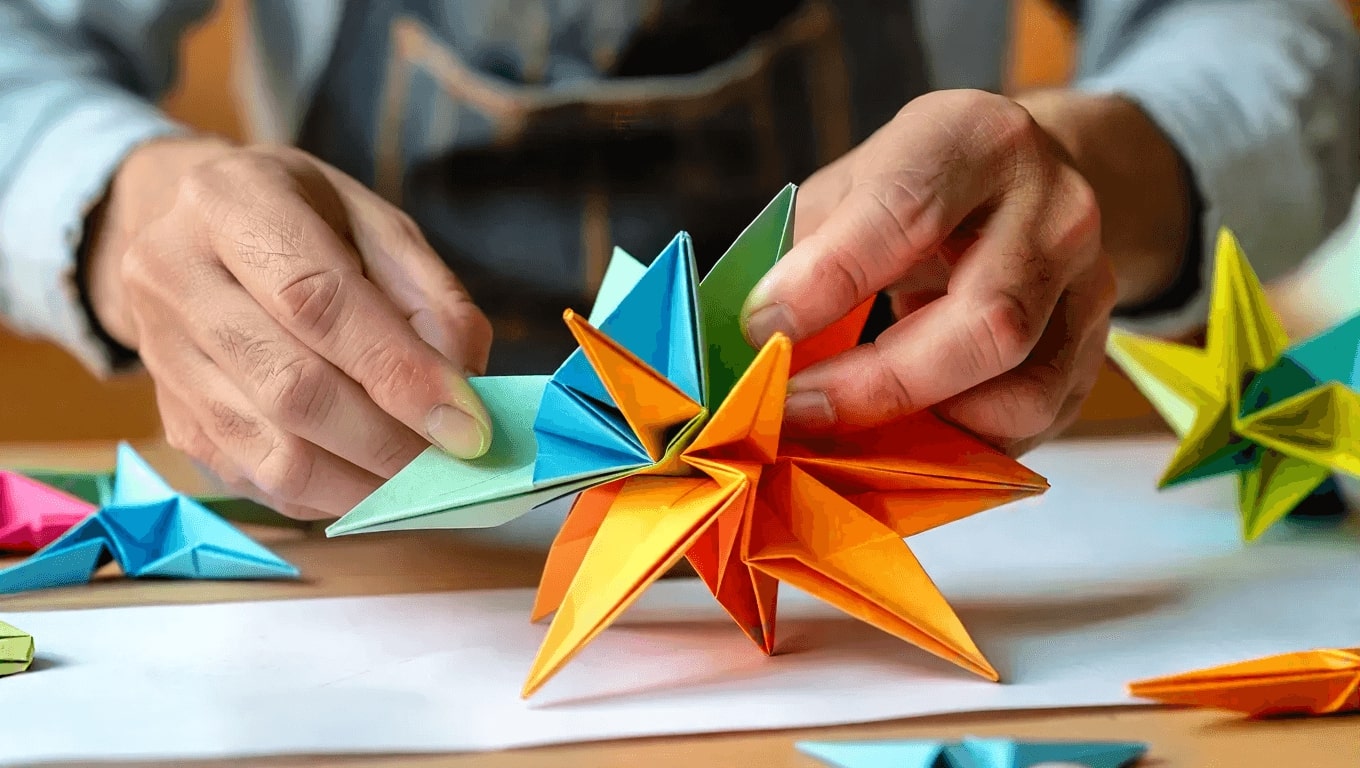
In today’s hectic and often stressful world, finding effective ways to nurture mental health and emotional well-being is more important than ever. While meditation, yoga, and therapy have become well-known tools for stress management, an ancient art form—origami, the Japanese practice of paper folding—is gaining recognition for its therapeutic benefits among adults.
Origami is not just a craft; it’s a mindful, creative process that can help reduce anxiety, improve focus, and promote emotional healing. This article explores the therapeutic advantages of origami for adults, backed by research and practical insights, and explains why picking up a sheet of paper and folding it into art can be a powerful path to wellness.
What Is Origami?
Origami which originated in Japan literally means folding paper This ancient art involves taking a flat square sheet of paper and transforming it into various shapes from simple boats and cranes to complex flowers animals and intricate geometric designs all without the use of cutting gluing or any additional tools Origami is much more than just paper folding it is a blend of creativity precision and patience that has been practiced for centuries Beyond its cultural and artistic significance origami offers powerful benefits as a mindful meditative practice It engages both the mind and body requiring focused attention and deliberate movements that promote relaxation and reduce stress For adults especially origami provides a wonderful way to step away from digital screens slow down and reconnect with the present moment through hands-on creativity This timeless craft continues to inspire and captivate people worldwide
How Origami Supports Mental Health
1. Reduces Stress and Anxiety
The repetitive, rhythmic folding motions in origami promote relaxation by activating the parasympathetic nervous system, the part responsible for calming the body after stress. When folding paper, your brain shifts focus from anxious thoughts to the tactile sensations and visual cues of the paper, providing a break from mental overload.
Several studies support this: a 2017 study in the Journal of Occupational Therapy reported significant reductions in anxiety levels in participants who engaged in origami activities.
2. Encourages Mindfulness and Present-Moment Awareness
Origami requires careful attention to each fold, crease, and alignment, which naturally cultivates mindfulness. Mindfulness—the practice of being fully present without judgment—has been proven to lower cortisol (the stress hormone), improve mood, and enhance emotional regulation.
By focusing intently on the folding process, origami practitioners experience a state similar to meditation, improving their ability to stay grounded in the moment.
3. Boosts Concentration and Cognitive Function
Complex origami patterns challenge your brain to follow detailed instructions, enhance spatial reasoning, and improve fine motor skills. This mental engagement strengthens neural connections and helps maintain cognitive sharpness, especially beneficial for adults facing age-related cognitive decline.
4. Provides a Sense of Accomplishment and Self-Efficacy
Completing an origami figure offers immediate, tangible proof of achievement. This sense of mastery can boost self-esteem and combat feelings of helplessness or frustration that often accompany anxiety and depression.
The dopamine release linked to achieving goals, even small ones like folding a paper crane, helps foster positive mood and motivation.
5. Improves Fine Motor Skills and Coordination
Origami involves precise finger movements and hand-eye coordination. For adults recovering from injury, illness, or neurological conditions, it can serve as a gentle occupational therapy tool to restore dexterity and motor function.
Origami in Therapeutic Settings
Mental health professionals have increasingly incorporated origami into therapy for various populations:
- Anxiety and PTSD: Origami helps patients practice mindfulness and regain control over intrusive thoughts.
- Rehabilitation: Occupational therapists use folding exercises to improve motor skills.
- Elder Care: Group origami activities stimulate cognitive function and encourage social interaction among seniors.
- Educational Therapy: Origami supports children with ADHD by enhancing focus and patience.
This therapeutic potential is why origami is sometimes referred to as “paper meditation.”
How to Use Origami for Your Mental Wellness
- Choose a Quiet, Comfortable Space: Settle in a calm environment where you won’t be disturbed. Minimal distractions enhance focus and relaxation.
- Start with Simple Designs: Pick easy models such as cranes, boats, or hearts. Simplicity prevents frustration and helps build confidence.
- Embrace the Process Over Perfection: Focus on the act of folding, not on perfect outcomes. Let yourself enjoy each crease and fold mindfully.
- Incorporate Deep, Slow Breathing: Synchronize your breath with folding motions to deepen relaxation.
- Practice Regularly: Consistency amplifies benefits. Even 10-15 minutes daily can improve mood and reduce anxiety over time.
Choosing the Right Paper and Tools
- Use thin, durable origami paper for ease of folding.
- Washi or foil-backed paper offer added texture and strength for advanced models.
- Bone folders can help create sharp creases.
- Tweezers are handy for delicate, small folds.
Origami Project Ideas for Therapeutic Benefits
- Origami Crane: Symbolizes peace and healing.
- Lotus Flower: Slow, deliberate folds enhance mindfulness.
- Paper Boat: Quick and nostalgic, ideal for brief relaxation.
- Modular Stars: Engaging rhythmic folding perfect for stress relief.
- Bookmarks or Gift Boxes: Functional and rewarding to share with others.
Additional Mental Health Benefits of Origami
- Encourages patience and persistence through stepwise progress.
- Offers creative expression, which is linked to emotional release and happiness.
- Facilitates social connection through group folding sessions or clubs, combating loneliness.
- Acts as a digital detox, providing screen-free, tactile engagement.
Final Thoughts: Why Adults Should Try Origami Today
Origami is more than an art—it’s a therapeutic practice that nurtures mental health, calms anxiety, and enhances emotional well-being. For adults juggling responsibilities and stress, it offers an accessible, low-cost way to find peace, focus, and creative joy.
If you’re looking for a simple yet powerful tool to improve your mental wellness, grab a sheet of paper and begin folding. Each crease is a step toward calm, clarity, and balance.