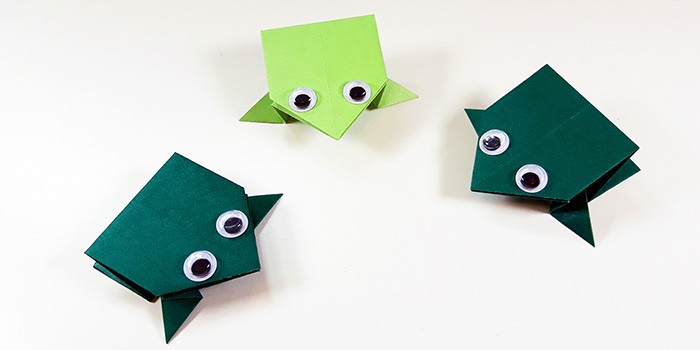
Origami is a timeless Japanese art form that offers adults a creative and calming hobby. Far beyond childhood fun, it promotes mindfulness, patience, and artistic expression. Whether you’re new to folding or experienced, the right tools and paper can greatly enhance your work. This guide covers essential supplies, from the best types of origami paper to useful accessories, along with tips for selecting materials that match your skill level and style. With the right setup, you’ll enjoy a smoother, more rewarding origami experience and create beautiful, lasting designs.
Why Choosing the Right Tools Matters for Adult Origami
Origami is famously minimalist. At its core, all you need is a sheet of paper and your hands. But for adults who want to explore more intricate designs or achieve cleaner folds, investing in some essential tools and quality materials can greatly improve the experience. Proper tools help you avoid frustration, enhance precision, and unlock new levels of craftsmanship.
More importantly, origami for adults often becomes a mindful, almost meditative practice. Having the right supplies allows you to focus fully on the folding, without distraction or discomfort, making it a soothing and fulfilling activity.
Essential Materials You Should Have for Origami
Origami Paper (Kami)
The foundation of great origami is quality paper. Origami paper, known as kami in Japanese, is specially made for folding. It strikes the perfect balance between being thin enough to fold multiple times without tearing and strong enough to hold crisp creases.
Why kami is ideal for adults:
It folds cleanly and precisely, which is crucial when working on detailed models.
It usually comes in squares of various sizes, commonly six inches (15 cm), but you can find smaller or larger sheets too.
Available in vibrant colors, solid tones, patterns, and textures, it offers plenty of creative possibilities.
Some sheets have a colored side and a plain white side, allowing for more design options.
Alternative Papers You Can Experiment With
While kami is great for beginners and most projects, there are other types of paper that offer unique effects and challenges:
Printer paper: Easy to find and inexpensive, but thicker and less flexible, making it better for simpler folds.
Tissue foil paper: Thin foil bonded with tissue paper, perfect for intricate models needing sharp folds and shape retention.
Washi paper: Traditional handmade Japanese paper with a soft texture, ideal for artistic and decorative pieces.
Recycled paper or magazine pages: Great for eco-conscious crafters and those looking to add unique patterns and textures.
Choosing the right paper often depends on your project’s complexity and your personal preferences.
Handy Tools That Enhance Your Folding Experience
Bone Folder or Folding Tool
A bone folder is a smooth, flat tool originally made from animal bone, now often crafted from plastic or wood. This tool is invaluable for pressing down folds to make crisp, clean creases without damaging the paper.
Benefits of a bone folder:
Creates strong, precise creases for professional-looking models.
Helps avoid wrinkles, tears, or unwanted creases that fingers can cause.
Makes folding easier and less tiring, especially for complex or thick papers.
Tweezers
Tweezers are especially useful for folding tiny sections or handling delicate modular origami units.
Why tweezers are helpful:
Allow precise and controlled manipulation of small paper parts.
Reduce finger fatigue and increase accuracy.
Essential for assembling complex designs where details matter.
Cutting Tools
Although traditional origami avoids cutting, many modern and modular designs require some trimming.
Recommended cutting tools:
Sharp, fine-tip scissors for clean cuts.
Craft knives or X-Acto knives with replaceable blades for precise trimming.
Always work on a cutting mat or safe surface and handle blades carefully.
Ruler and Pencil
For projects requiring exact folds or pre-creasing, a ruler and pencil are your best friends.
Advantages of these tools:
Help mark guidelines and fold lines for symmetry.
Assist in planning and executing complex folds with accuracy.
Use a soft pencil to avoid damaging the paper and erase lightly after folding.
Useful Accessories for Organizing and Displaying Your Origami
Paperweights or Clips
These keep your paper flat and stable while you fold, preventing slipping and helping maintain neatness.
Storage Solutions
Keep your papers and completed models organized and protected with storage boxes, folders, or envelopes. This ensures your creations stay pristine and your workspace tidy.
Display Frames or Stands
Showcase your favorite origami masterpieces with frames or stands. Turning your art into decor adds a personal and artistic touch to your home or office.
Tips for Choosing the Best Origami Supplies
Start with standard sizes: Most beginners find 6-inch square kami sheets manageable.
Upgrade gradually: As your skill and interest grow, explore specialty papers and tools to expand your possibilities.
Try various textures and colors: Different papers inspire creativity and can influence how a model feels and looks.
Balance quality and flexibility: Thicker paper resists tearing but may be harder to fold; thinner paper folds easily but can be fragile. Find what feels right for you.
Consider eco-friendly options: Recycled and sustainably sourced papers are great choices for environmentally conscious crafters.
Where to Find Origami Tools and Materials
You can purchase origami supplies from many places:
Local art and craft stores often carry basic papers and tools.
Online specialty origami shops offer a wide range of quality papers and accessories.
Popular online marketplaces such as Amazon and Etsy have extensive selections and reviews.
Stationery shops with craft sections also stock suitable papers and tools.
Always check product descriptions and reviews to ensure quality and appropriate sizes.
Starting Your Origami Journey
Once you have the right materials and tools, begin with simple models to practice clean, accurate folding. Master foundational folds like valley and mountain folds, then gradually challenge yourself with more intricate designs.
Join origami communities online or locally to share ideas and gain inspiration. Many video tutorials and step-by-step guides are available, making it easier than ever to learn at your own pace.
Remember, origami is both a craft and an art form that develops with time and patience. Enjoy every fold and crease as part of your creative journey.
Final Thoughts: Take Your Origami to the Next Level
Origami offers adults a unique way to blend artistry, mindfulness, and skill. Using the right tools and materials not only improves the quality of your work but also enriches your folding experience. Whether folding for relaxation, challenge, or decoration, investing in proper supplies supports your growth and deepens your connection to this timeless craft.
Gather your favorite paper, pick up a bone folder or tweezers, and dive into the wonderful world of origami. With every fold, you create more than just paper art—you craft calm, focus, and joy.