Origami, the ancient Japanese art of paper folding, isn’t just a pastime for kids or craft enthusiasts. More adults are discovering how this simple yet captivating hobby can spark creativity, improve focus, and provide a calming escape from daily stress. Whether you’re new to origami or looking to rekindle an old interest, this beginner’s guide is designed to help you start folding with confidence and joy.
In this post, you’ll learn what origami is, why it’s great for adults, and discover easy projects perfect for beginners that you can start folding today.
What Is Origami?
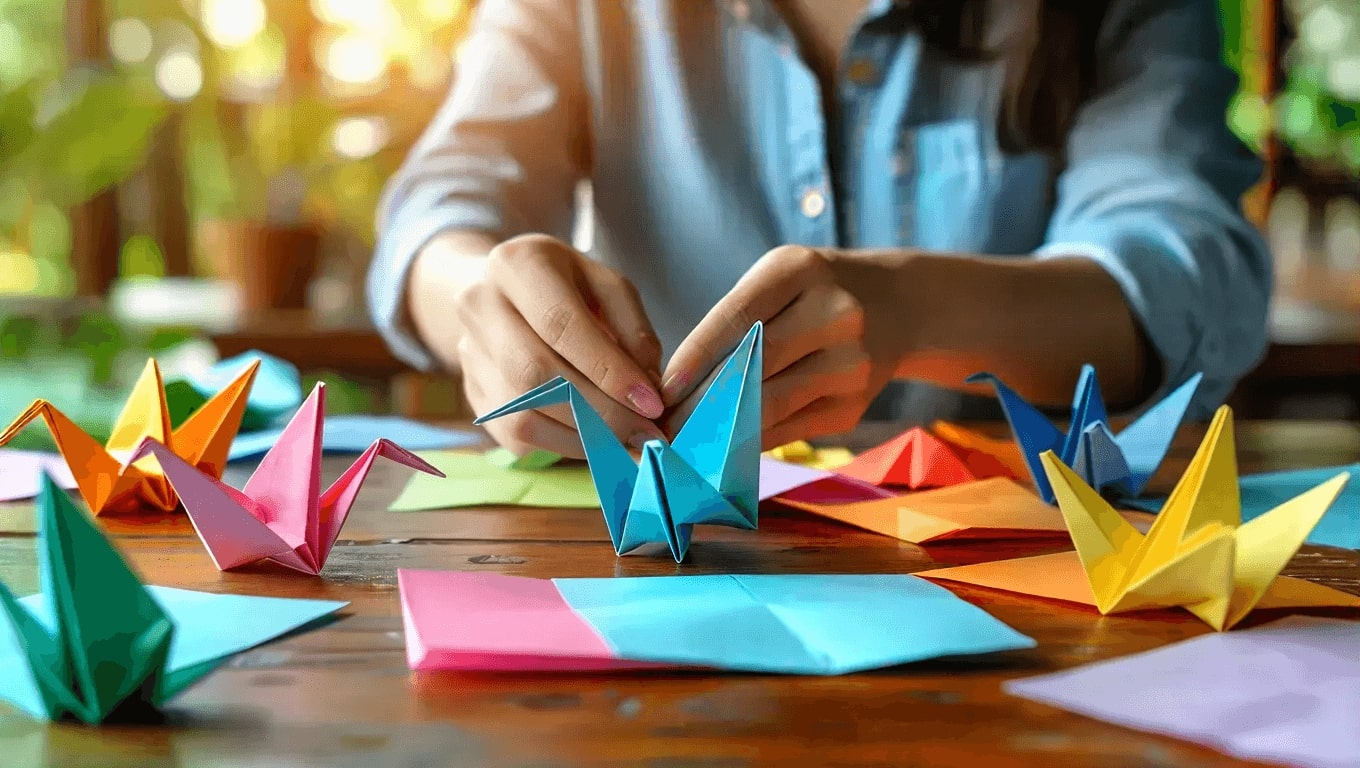
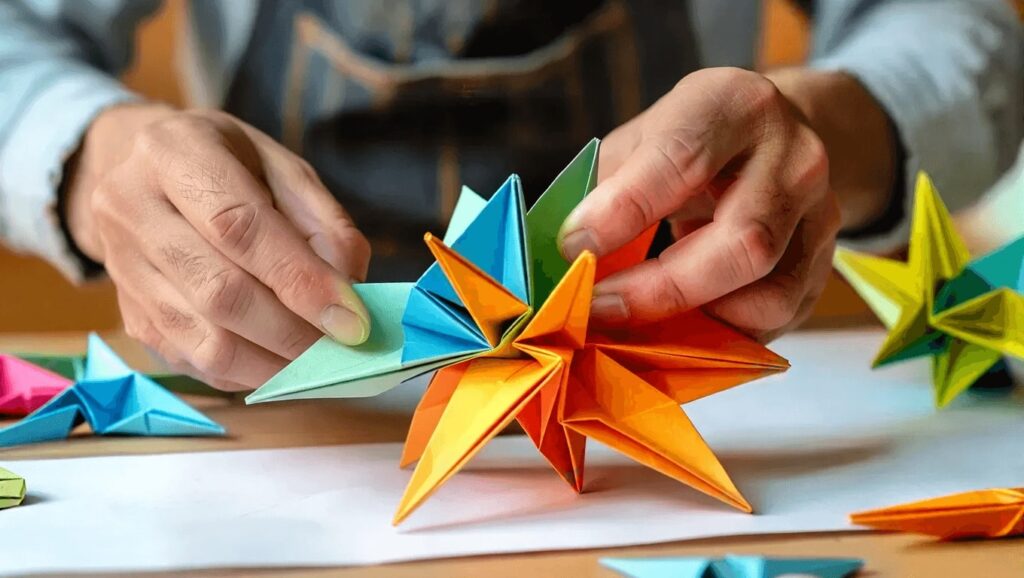
Originating from Japan, origami literally means “folding paper.” It involves transforming flat, square sheets of paper into beautiful shapes and figures without using scissors, glue, or markings. From simple cranes and boats to intricate flowers and modular stars, origami offers a range of designs suitable for all skill levels.
The beauty of origami lies in its blend of creativity, precision, and mindfulness. Each fold builds upon the last, requiring concentration and patience, which makes it an excellent mental exercise and stress reliever.
Why Adults Are Embracing Origami
Though often associated with children’s classrooms, origami has many benefits for adults:
- Stress Reduction and Mindfulness: The focus required to fold paper diverts your mind from worries and promotes relaxation.
- Enhances Creativity: Experimenting with shapes and patterns stimulates your imagination.
- Improves Patience and Attention to Detail: Following step-by-step instructions sharpens your concentration.
- Portable and Affordable: All you need is paper—no costly materials or tools.
- Boosts Fine Motor Skills: Folding improves hand-eye coordination and dexterity.
Whether you want a new hobby, a creative outlet, or a way to unwind after work, origami offers a unique combination of mental and physical engagement.
Getting Started: What You Need
Paper
Standard origami paper (kami) is thin, easy to fold, and often colored or patterned on one side. For beginners, 6×6-inch (15×15 cm) squares are perfect. You can also start with any square paper you have at home—cut magazines, wrapping paper, or even scrap paper work fine.
Tools
No special tools are necessary. However, some find a bone folder or a clean fingernail helpful for making sharp creases.
Space and Time
Find a quiet, comfortable spot free from distractions. Set aside at least 15-30 minutes for your first few projects to enjoy the process without rushing.
Beginner-Friendly Origami Projects to Try
Here are some simple, satisfying projects perfect for adults just starting origami:
1. Origami Paper Crane
Why it’s great: The crane is a timeless symbol of peace and hope, and folding one offers a gentle introduction to common origami folds like the valley fold and squash fold.
- Start with a square sheet.
- Fold diagonally to form triangles.
- Create the bird base by folding flaps inward.
- Shape the head, tail, and wings.
Tip: Follow a step-by-step video tutorial to get the hang of the folds.
2. Paper Boat
Why it’s great: The paper boat is nostalgic and easy to fold, perfect for a quick relaxing activity.
- Fold the paper in half lengthwise, then widthwise.
- Fold corners toward the centerline.
- Pull out the bottom flaps to form a boat shape.
Tip: Try floating your boat in a small bowl of water for added fun.
3. Simple Heart
Why it’s great: This project is perfect for making personalized cards or bookmarks and introduces symmetry folds.
- Fold a square in half diagonally.
- Fold corners and edges to form the heart shape.
Tip: Use colored paper or decorate your heart with markers for a personal touch.
4. Origami Bookmark Corner
Why it’s great: Practical and easy, these bookmarks are fun to make and can be customized.
- Fold a square in half diagonally.
- Fold the corners up to create a pocket.
- Decorate with drawings or stickers.
Tip: Gift these to friends who love reading!
5. Modular Origami Star (Sonobe Unit)
Why it’s great: This introduces modular origami—building shapes from multiple units—helping develop patience and spatial reasoning.
- Fold several identical units.
- Interlock units without glue to form a 3D star.
Tip: Start with 6 units to form a simple star, then try more complex shapes.
Tips for Success as a Beginner
- Take Your Time: Don’t rush. Folding slowly helps you learn and enjoy the process.
- Use Clear Instructions: Books, websites, and YouTube channels offer free tutorials. Visual guides are especially helpful.
- Practice Basic Folds: Mastering simple folds like valley fold, mountain fold, and squash fold builds your confidence.
- Don’t Fear Mistakes: Origami is forgiving. If a fold isn’t perfect, try again—it’s part of learning.
- Join a Community: Online groups and local workshops offer support and inspiration.
How Origami Benefits Mental Health and Well-being
Besides being fun, origami has been shown to reduce stress, improve focus, and encourage mindfulness. The repetitive folding motions and attention to detail engage your brain in a calming way, similar to meditation. For many adults, origami is a screen-free, soothing break that can lower anxiety and spark creativity.
Where to Find Resources and Inspiration
- YouTube Channels: Check out channels like Jo Nakashima, JeremyShaferOrigami, and Paper Kawaii for beginner tutorials.
- Books: “Origami for Beginners” by Florence Temko and “Easy Origami” by John Montroll are excellent.
- Apps: Origami apps offer step-by-step instructions and project ideas on your phone.
- Communities: Reddit’s r/origami and Facebook origami groups provide advice, photos, and encouragement.
Final Thoughts: Start Folding Today
Origami is an accessible, rewarding hobby that adults can easily start and enjoy. Whether you want to relax, spark your creativity, or develop new skills, folding paper can offer a peaceful retreat from daily stress.
Grab some square paper, pick a beginner project, and enjoy the calming, creative journey of origami. Your hands—and your mind—will thank you.