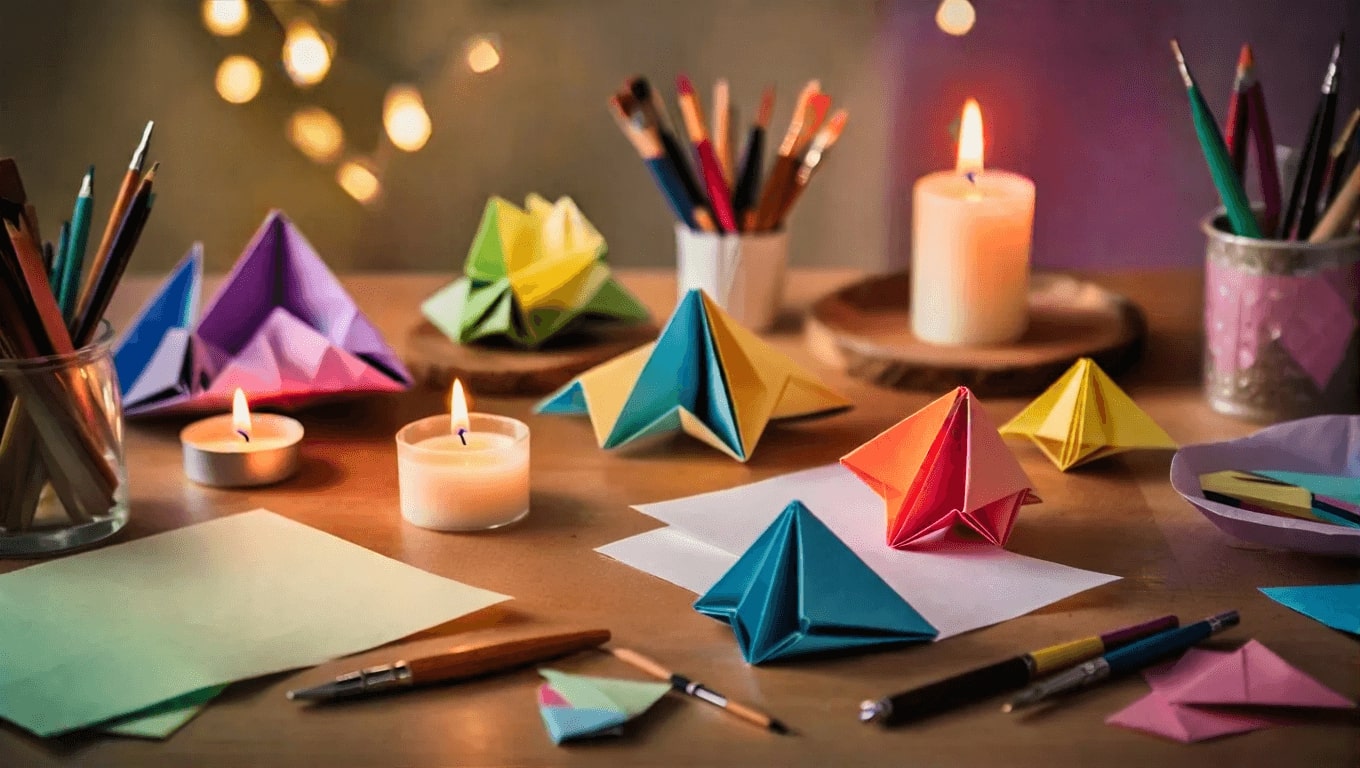
In a world constantly buzzing with notifications, deadlines, and responsibilities, many adults find themselves craving moments of stillness—moments to breathe, reflect, and create. Enter origami—the peaceful art of paper folding that offers far more than just beautifully crafted figures.
Once considered a children’s pastime or a school art project, origami has quietly made its way into the adult wellness space. Today, it’s being rediscovered by grown-ups as a form of relaxation, mindfulness, and creative stimulation. Whether you’re overwhelmed by daily stress or simply looking for a new, meaningful hobby, origami might be the perfect solution.
What Exactly Is Origami?
Origami is the traditional Japanese art of folding paper into decorative and often functional shapes. The word “origami” stems from two Japanese terms: ori (to fold) and kami (paper). Though its roots go back centuries, the practice has evolved across cultures while maintaining its core simplicity, creating intricate designs using only paper and the technique of folding.
The fundamental principle? Transforming a flat sheet of paper into a three-dimensional figure using no glue, scissors, or tape. From cranes and boxes to stars and animals, origami designs range from beginner-friendly to astonishingly complex.
But what makes origami especially appealing to adults isn’t just its elegance—it’s the deep calm and mental clarity the practice can cultivate.
Why More Adults Are Taking Up Origami
Modern adult life is hectic. Between work, household duties, and constant screen time, finding moments for ourselves feels nearly impossible. Origami offers a simple way to reclaim a few mindful minutes each day. Here’s why it’s gaining popularity among adults:
A Natural Stress Reliever
The gentle folding of paper has a calming, almost meditative effect. Engaging your hands helps quiet the mind, providing relief from anxiety and overstimulation. Like meditation, origami offers a creative reward at the end. Studies in art therapy show that paper folding can lower cortisol levels, helping adults feel calmer and more balanced—an ideal reset after stressful days.
A Creative Outlet That Doesn’t Overwhelm
Origami requires just paper and quiet time—no expensive gear or messy setups. It sparks imagination and problem-solving without feeling intimidating. Plus, there’s freedom to choose colors, textures, and styles or even design your own models as you gain confidence.
Improved Focus and Mental Agility
Origami engages both logical and creative brain functions. Following fold sequences enhances concentration, memory, and spatial reasoning. Many adults find their attention span and patience grow, with mental clarity spilling over into daily life.
Portable, Affordable, and Sustainable
Origami fits easily into busy schedules—fold on a plane, in a park, or during a coffee break. Using recycled or scrap paper also makes it a budget-friendly, eco-conscious hobby.
Encourages Mindfulness and Intentional Living
Each fold requires focus and care, teaching patience and deliberate movement. Origami encourages mindfulness not just during the craft, but throughout daily life, helping combat our fast-paced culture.
In a busy world, origami offers adults a peaceful, creative escape that benefits mind and body alike.
How to Start Origami as an Adult: A Beginner’s Guide
You don’t need to be artistic or good with your hands to start origami. Here’s how to begin your journey with confidence:
Step 1: Start with Simple Designs
The classic origami crane, butterfly, heart, or boat are perfect entry point. These beginner models introduce basic folds like the valley fold, mountain fold, and squash fold.
Avoid jumping into complex modular origami at first. Mastering the fundamentals sets a solid foundation for more intricate projects down the road.
Step 2: Use the Right Paper
While any square paper can technically work, using actual origami paper—called kami—makes a big difference for beginners. It’s thin, flexible, and holds creases well. Start with 6×6-inch squares in a variety of colors. Once you’re more experienced, try foil-backed, textured, or even hand-painted papers.
Step 3: Watch or Read Step-by-Step Instructions
Visual learners often benefit most from YouTube tutorials or folding apps, which show each motion clearly. Others may prefer books with diagrams and written instructions. There are also mobile apps that provide interactive guides and track your progress.
Step 4: Set a Folding Routine
Like meditation or journaling, origami works best when it becomes part of your daily or weekly rhythm. Even 10–15 minutes of folding each evening can help establish a ritual of relaxation.
Origami and Mental Health: The Science Behind the Peace
Several psychological studies have examined the mental health benefits of origami. The act of folding stimulates parts of the brain associated with sequencing, logic, and creativity. Therapists often recommend origami for people dealing with:
- Anxiety or panic disorders
- Depression
- Post-traumatic stress disorder (PTSD)
- ADHD or executive functioning challenges
Because it’s tactile and visual, origami gives participants a sense of control and accomplishment, especially important when life feels chaotic or uncertain.
Great Origami Projects for Adults
Once you’re comfortable with basic folds, branch out into more sophisticated or themed models. Here are some great ideas to try:
- Origami flowers (roses, lilies, cherry blossoms)
- Animal figures (foxes, swans, elephants)
- Decorative stars or mandalas
- Boxes and envelopes (practical and pretty)
- Seasonal decorations (pumpkins for fall, snowflakes for winter)
- Modular origami (3D shapes made from multiple folded units)
You can also integrate origami into gift-giving, home décor, or handmade cards.
Staying Motivated and Inspired
Like any hobby, it’s easy to lose momentum. Here are a few ways to stay inspired:
- Join online origami communities or Facebook groups
- Participate in monthly folding challenges
- Follow origami artists on Instagram or YouTube
- Track your progress with photos or a folding journal
- Gift your creations to friends or use them in DIY projects
Remember: it’s not about perfection. It’s about the process.
The Digital-Age Revival of Origami
While origami is centuries old, it has adapted beautifully to the digital era. Apps now teach folds step-by-step with animations. Virtual origami meetups connect enthusiasts across the globe. You can even 3D print folding patterns or explore mathematical origami, which intersects with science and architecture.
Yet ironically, in this high-tech age, origami’s low-tech simplicity is what makes it so appealing. It’s a hands-on reminder to slow down, breathe, and enjoy the present.
Final Thoughts: A Simple Hobby with Powerful Benefits
Origami for adults is more than just folding paper—it’s an act of mindfulness, a gateway to creativity, and a tool for stress relief. It asks nothing more than a few quiet minutes and a square of paper, yet gives so much in return: peace, focus, joy, and a deeper connection with yourself.
So the next time life feels overwhelming, put down your phone, pick up a piece of paper, and fold your way into a calmer, more creative state of mind.